
Industry Insights: Payload diversification and the rise of conjugation chemistry as a standalone business
Bioconjugate Insights 2026; 1(6), 293–306
DOI:10.18609/bci.2026.031
October’s news was shaped by a field converging on one payload class while visibly working to escape it. More than a dozen conjugates covered this month carry topoisomerase I inhibitor payloads – DXD, exatecan, belotecan derivatives, and proprietary variants – across approvals, registrational trials, and first-in-human studies. Against that concentration sit six programs pursuing alternatives: KRAS inhibitor and GSPT1 degrader payloads entering the clinic, spliceosome-modulating and non-topoisomerase chemistries in preclinical development, and linker technologies designed to make targeted small molecules conjugatable at all. Conjugation chemistry itself emerged as a separable business. Four licensing agreements this month paired an antibody developer with a specialist supplying linkers, payloads, or site-specific conjugation, while dual-payload formats appeared in four independent programs and dual-target constructs in three. Regulatory news was dominated by Daiichi Sankyo and AstraZeneca, with approvals in China and Japan, a positive CHMP opinion, and an NHS recommendation, alongside a withdrawn accelerated approval application that marked the month’s clearest setback. Beyond oncology, conjugates advanced in hemostasis, surgical imaging, extrahepatic oligonucleotide delivery, and ocular gene therapy. In this issue: Collaborations, partnerships, and acquisitions Regulatory changes and updates Market trends Research and development highlights Clinical trials and research Tools and technologies Conferences, events, and publications |
COLLABORATIONS, PARTNERSHIPS, AND ACQUISITIONS |
Alentis and PinotBio agreed terms covering linkers and payloads for claudin-1 ADCs [1]
Alentis Therapeutics and PinotBio entered a research collaboration and licensing agreement to develop claudin-1 directed ADCs. The arrangement pairs Alentis’s antibody portfolio with PinotBio’s PINOT-ADC platform of linkers and payloads, and gives Alentis an exclusive option to in-license linkers, payloads, or both for its development candidates. Terms comprise an undisclosed upfront payment, development, regulatory, and commercial milestones, and royalties on net sales for each candidate Alentis elects to develop. The agreement extends an earlier research collaboration between the two companies, during which Alentis states dozens of ADC constructs were explored.
Lonza licensed Qurient’s CDK7 inhibitors for dual-payload ADC applications [2]
Lonza and Qurient entered an exclusive license covering use of Qurient’s CDK7 inhibitors in dual-payload ADCs. The agreement adds SYN-duo CC to Lonza’s technology offering, a dual-payload format combining exatecan, a camptothecin-derived Topo-1 inhibitor, with a CDK7 inhibitor, on the rationale that CDK7 inhibition potentiates Topo-1 inhibitor activity within a single conjugate. Lonza may also generate further combinations pairing Qurient’s CDK7 inhibitors with other payloads using its existing dual-payload platform. Financial terms were not disclosed. Dual-payload ADCs carry two cytotoxic payloads on one antibody to engage multiple mechanisms simultaneously.
Daiichi Sankyo, AstraZeneca, and Summit agreed to trial Datroway with ivonescimab [3]
Daiichi Sankyo, AstraZeneca, and Summit Therapeutics entered a clinical trial collaboration to evaluate Datroway (datopotamab deruxtecan) with ivonescimab across lung and breast cancers, beginning with a Phase 3 trial in first-line triple-negative breast cancer (TNBC). Datroway is a TROP2-directed ADC comprising a humanized anti-TROP2 IgG1 antibody attached to DXd, an exatecan derivative, through tetrapeptide-based cleavable linkers. Ivonescimab is a bispecific antibody blocking PD-1 and VEGF in a single molecule. Each company will contribute its compound and share trial costs, with AstraZeneca or Daiichi Sankyo sponsoring, and each retaining rights to its own medicine.
Sanyou Bio and NovoCodex partnered on site-specific conjugation for novel ADC formats [4]
Sanyou Biopharmaceuticals and NovoCodex Biopharmaceuticals entered a strategic collaboration to co-develop ADCs, pairing Sanyou Bio’s antibody discovery platforms with NovoCodex’s NovoCode site-specific conjugation technology. NovoCode incorporates unnatural amino acids into antibodies to fix conjugation sites, producing homogeneous constructs rather than the heterogeneous mixtures arising from stochastic conjugation. The companies state the technology has been applied in the Phase 3 trial of ARX788 and in ARX305, a CD70-directed candidate in advanced renal cancer. Sanyou Bio’s platform covers dual-target and dual-payload ADC formats, which it reports having applied across more than 800 conjugation projects.

Sanyou Bio and NovoCodex partnered on site-specific conjugation for novel ADC formats; Collaborations, partnerships, and acquisitions. Credit: Sanyou Bio
Envisagenics and Boehringer Ingelheim partnered on splicing-derived oncology targets [5]
Envisagenics entered a multi-year research collaboration and option agreement with Boehringer Ingelheim to validate selected tumor-specific targets for solid tumor therapies. The work builds on targets identified through Envisagenics’ SpliceCore platform, which applies machine learning and large-scale transcriptomics to screen over 14 million splicing events for disease specificity, patient prevalence, and therapeutic suitability. Targets will be assessed across several modalities, including ADCs, T cell engagers, and multispecific antibodies. Boehringer Ingelheim holds an option to exclusively license selected targets on completion of the research program.
WuXi XDC and Ona Therapeutics signed a second ADC technology licensing agreement [6]
WuXi XDC granted Ona Therapeutics an exclusive global license to its WuXiTecan-2 payload-linker technology for development of an ADC against a single undisclosed target. The platform uses a hydrophilic linker, which WuXi XDC states improves ADC stability. Ona Therapeutics will apply its target discovery capabilities to the program, while WuXi XDC provides CMC development and manufacturing support through its ADC CRDMO platform. Terms comprise an undisclosed upfront payment, development, regulatory, and sales milestones, and tiered royalties on net sales. The agreement is the second between the two companies, following a 2024 technology licensing deal supporting Ona’s ADC pipeline.
REGULATORY CHANGES AND UPDATES |
China approved Enhertu in adjuvant breast cancer and Datroway in triple-negative disease [7,8]
China’s National Medical Products Administration (NMPA) approved two Daiichi Sankyo and AstraZeneca DXd ADCs in breast cancer. Enhertu (trastuzumab deruxtecan) was approved as adjuvant treatment for HER2-positive early breast cancer with residual invasive disease after neoadjuvant taxane and trastuzumab-based therapy, based on Phase 3 DESTINY-Breast05. The trial reduced risk of invasive disease recurrence or death by 53% versus trastuzumab emtansine, with three-year invasive disease-free survival of 92.4% versus 83.7%. The same trial served as confirmatory evidence converting Enhertu’s conditional neoadjuvant approval to regular approval. Separately, Datroway (datopotamab deruxtecan) was approved for unresectable or metastatic TNBC in patients ineligible for PD-1/PD-L1 inhibitor therapy, based on Phase 3 TROPION-Breast02: median overall survival (OS) was 23.7 versus 18.7 months and median progression-free survival (PFS) 10.8 versus 5.6 months.
AbbVie secured dual breakthrough designations for its c-Met-directed conjugate [9]
The US FDA granted two breakthrough therapy designations to telisotuzumab adizutecan, a c-Met directed ADC combining a humanized bivalent IgG1 antibody with a Topo-1 inhibitor payload via a cleavable valine-alanine linker and bromoacetamide attachment. The first covers combination with bevacizumab in refractory metastatic colorectal cancer after fluoropyrimidine, irinotecan, oxaliplatin, and anti-VEGF therapy; the second covers monotherapy in EGFR wild-type, c-Met-expressing non-squamous non-small cell lung cancer (NSCLC) previously treated with platinum chemotherapy and anti-PD-(L)1 therapy. Both rest on the first-in-human M21-404 study. Phase 3 and Phase 2/3 trials are ongoing across several tumor types.
Crescent secured IND clearance for CR-002 ahead of the APOLLO trial [10]
The US FDA cleared Crescent Biopharma’s investigational new drug (IND) application for CR-002, a PD-L1-directed ADC carrying a topoisomerase inhibitor payload, developed with Paragon Therapeutics. The antibody was selected for high internalization, paired with a linker designed for intracellular cleavage and circulatory stability. The Phase 1/2 APOLLO trial will enroll approximately 200 patients across the US, Europe, and Asia Pacific with advanced solid tumors including NSCLC, head and neck squamous cell carcinoma (HNSCC), and gastrointestinal and gynecological tumors. Initial data are expected in H2 2027. Crescent also plans combination evaluation with its PD-1×VEGF bispecific CR-001.
Wave aligned with the US FDA on a registrational pathway for its GalNAc-conjugated editing oligonucleotide [11]
Wave Life Sciences reached alignment with the US FDA on the registrational pathway for WVE-006, a GalNAc-conjugated A-to-I RNA editing oligonucleotide for alpha-1 antitrypsin deficiency. GalNAc conjugation directs the subcutaneously administered oligonucleotide to hepatocytes, where it corrects the single RNA base mutation associated with the Pi*ZZ genotype to restore wild-type M-AAT. A 2-year registrational trial is planned to support full approval, with a 1-year interim analysis for potential accelerated approval on biomarker endpoints. The FDA supports Wave’s LC-MS assay for measuring M-AAT and Z-AAT. Data from the 600 mg cohort of RestorAATion-2 are expected in Q4 2026.
Immunome secured IND clearance for IM-1340 ahead of Phase 1 [12]
The US FDA cleared Immunome’s IND application for IM-1340, an ADC carrying the company’s proprietary HC74 Topo-1 inhibitor payload. The conjugate targets an undisclosed transport receptor that Immunome reports is expressed across solid tumors including neuroendocrine tumors, lung cancer, and colorectal cancer. Immunome reports tumor regressions following single doses in multiple preclinical in vivo models. A Phase 1 open-label, multicenter dose-escalation and expansion study is expected to begin in Q4 2026, evaluating safety, tolerability, pharmacokinetics, and preliminary antitumor activity in advanced solid tumors.

Immunome secured IND clearance for IM-1340 ahead of Phase 1; Regulatory changes and updates. Credit: iStock
An accelerated approval application for a B7-H3 directed ADC was voluntarily withdrawn [13]
Daiichi Sankyo and MSD voluntarily withdrew their BLA seeking accelerated US approval of ifinatamab deruxtecan, a B7-H3 directed DXd ADC, in extensive-stage small cell lung cancer (SCLC) progressing after platinum-based chemotherapy. The withdrawal followed discussions with the US FDA indicating that the supporting data, including from the Phase 2 IDeate-Lung01 trial, did not meet the requirements for accelerated approval. Enrolment continues in the Phase 3 IDeate-Lung02 trial, comparing the ADC with physician’s choice of amrubicin, lurbinectedin, or topotecan in relapsed disease. Two further Phase 3 trials are underway in prostate and esophageal cancer.
US FDA granted breakthrough therapy designation to a fluorescent peptide-dye conjugate [14]
The US FDA granted breakthrough therapy designation to bevonescein, an intravenously administered fluorescent peptide-dye conjugate that binds nerve tissue, as an adjunct for real-time intraoperative nerve visualization in adult head and neck surgery. The designation follows fast track designation granted in 2022. Alume Biosciences has completed three multicenter, randomised Phase 3 trials in thyroid, parathyroid, parotid, and neck dissection surgery, each assessing the same nerves under white light alone and with added fluorescence. All three met the co-primary endpoint of nerve conspicuity; pooled analysis showed improvements in visible nerve length and branching delineation (p≤0.0001). No serious drug-related adverse events were reported.
SOT106 received orphan drug and fast track designations for sarcoma indications [15]
The US FDA granted SOTIO Biotech orphan drug designation for SOT106 in soft tissue sarcoma and fast track designation in osteosarcoma, giving the ADC both designations across the two indications. SOT106 pairs SOTIO’s LRRC15-targeting antibody with LigaChem Biosciences’ ConjuAll site-specific conjugation platform and a beta-glucuronidase-cleavable linker intended to remain stable in circulation and release payload within tumor tissue. SOTIO reports preclinical activity in patient-derived xenograft models of both osteosarcoma and soft tissue sarcoma. A first-in-human trial is expected to begin this year.
SystImmune secured US FDA clearance for a bispecific antibody assessed without animal toxicology [16]
The US FDA cleared SystImmune’s IND application for SI-B037, a bispecific antibody targeting immunosuppression alongside other mechanisms, in advanced solid tumors refractory to standard therapies. The clearance is SystImmune’s first to use New Approach Methodologies in place of conventional animal toxicology, substituting human organ-on-chip systems and primary human tissue models within the nonclinical safety package. SystImmune states human-relevant models gave a more direct read on a molecule designed to engage multiple human pathways. A Phase 1/1b trial will evaluate dosing and clinical activity. SystImmune develops bispecific and multispecific antibodies alongside ADCs.
Enhertu received a positive CHMP opinion in residual invasive HER2-positive breast cancer [17]
The EMA’s Committee for Medicinal Products for Human Use (CHMP) adopted a positive opinion recommending Enhertu (trastuzumab deruxtecan) as adjuvant monotherapy for adults with resected HER2-positive breast cancer and residual invasive disease after neoadjuvant taxane-based and HER2-targeted treatment. The opinion follows the Phase 3 DESTINY-Breast05 trial, in which the DXd ADC reduced risk of invasive disease recurrence or death by 53% versus T-DM1. Three-year invasive disease-free survival was 92.4% versus 83.7%. Interstitial lung disease or pneumonitis occurred in 9.6% of Enhertu-treated patients, including two grade 5 events.
CHMP recommended approval of enfortumab vedotin for cisplatin-eligible muscle-invasive bladder cancer [18]
The EMA’s CHMP adopted a positive opinion recommending Padcev (enfortumab vedotin) with pembrolizumab as perioperative treatment for adults with resectable muscle-invasive bladder cancer. The opinion rests on the Phase 3 EV-304 trial, in which the combination reduced risk of recurrence, progression, or death by 47% and risk of death by 35% versus neoadjuvant gemcitabine and cisplatin. Grade ≥3 adverse events occurred in 75.7% versus 67.2% of patients. A European Commission decision is expected within approximately 2 months.
Enhertu recommended for NHS funding in previously treated HER2-low metastatic breast cancer [19]
The National Institute for Health and Care Excellence (NICE) issued final draft guidance recommending Enhertu (trastuzumab deruxtecan) for adults with HER2-low advanced or metastatic breast cancer that has progressed after prior treatment. NICE had previously been unable to recommend the ADC at the proposed price, leaving it the only breast cancer treatment refused since 2018. A commercial agreement was reached with Daiichi Sankyo and AstraZeneca following method changes under the UK/US Pharmaceutical Pricing Agreement: raised cost-effectiveness thresholds effective April 2026 and a new quality-of-life assessment method published 27 August 2026. Trial evidence showed extended survival and delayed progression versus standard chemotherapy.

Enhertu recommended for NHS funding in previously treated HER2-low metastatic breast cancer; Regulatory changes and updates. Credit: iStock
Enhertu and Datroway were approved in Japan for first-line metastatic breast cancer [20]
Japan’s Ministry of Health, Labour and Welfare approved Daiichi Sankyo’s Enhertu (trastuzumab deruxtecan) and Datroway (datopotamab deruxtecan) in two first-line metastatic breast cancer settings. Enhertu with pertuzumab was approved for HER2-positive unresectable or recurrent disease based on Phase 3 DESTINY-Breast09. The combination reduced risk of progression or death by 44% versus taxane, trastuzumab, and pertuzumab. Median PFS was 40.7 versus 26.9 months. Datroway, a TROP2-directed ADC, was approved for triple-negative disease based on Phase 3 TROPION-Breast02, which showed median OS of 23.7 versus 18.7 months. Both carry interstitial lung disease warnings.
MARKET TRENDS |
Zealand Pharma opened a Cambridge research hub to extend into conjugate modalities [21]
Zealand Pharma opened a research hub in Cambridge, Massachusetts, now its primary US site, alongside its Copenhagen operations. The 53,600-square-foot facility is intended to extend the company’s peptide expertise into hybrid modalities including antibody-peptide conjugates, built around automation and computational modelling. No programmes, timelines, or headcount figures were disclosed.
Nurix received a $7 million milestone under its degrader antibody conjugate collaboration with Pfizer [22]
Nurix Therapeutics received a $7 million research milestone payment from Pfizer under their DAC collaboration, bringing total receipts to $82 million. DACs pair antibody-mediated delivery with targeted protein degraders rather than the cytotoxic payloads used in conventional ADCs, with selectivity determined by cell-surface antigen expression, the intracellular protein target, and E3 ligase expression. The agreement originated with Seagen in September 2023, before its acquisition by Pfizer, and carried a $60 million upfront payment with up to $3.4 billion in potential milestones across multiple programs plus tiered royalties. Nurix retains US profit-sharing and co-promotion options on up to two products.
GSK completed national price negotiations for its BCMA-directed ADC in Canada [23]
GSK Canada concluded negotiations with the pan-Canadian Pharmaceutical Alliance and issued a letter of intent covering Blenrep (belantamab mafodotin) in relapsed or refractory multiple myeloma. Blenrep is a BCMA-directed ADC carrying the microtubule-disrupting payload monomethyl auristatin F, approved by Health Canada in July 2025 in two combination regimens for patients who have received at least one prior therapy. The letter of intent is not itself a reimbursement decision; public funding depends on individual provinces and territories finalizing agreements through their own review processes.
RESEARCH AND DEVELOPMENT HIGHLIGHTS |
Ryvu reported preclinical data for a payload outside the Topo-1 and tubulin classes [24]
Ryvu Therapeutics presented preclinical data at World ADC for RVU602, a payload whose transcriptomic signature matches neither Topo-1 nor tubulin inhibitors. In cells carrying a TOPO1 mutation, deruxtecan lost over 100-fold potency while RVU602 retained activity, and potency was largely unaffected by P-gp inhibition with a 1.6-fold shift versus 3.7-fold for DXd and 12-fold for MMAE. RVU602 was conjugated to four antibodies at DAR 6–8 with monomeric content above 95%. In a TROP2-positive TNBC, the sacituzumab conjugate produced complete responses in all animals after two 10 mg/kg doses.
Debiopharm presented preclinical data on three linker technologies at World ADC [25]
Debiopharm presented preclinical data on three linker technologies from its MultiLINK suite at World ADC San Diego, generated with FluoSphera. MLINK Select produced stepwise intracellular MMAE release with higher plasma stability and reduced free MMAE in circulation, retaining antitumor activity in models resistant to approved ADCs. MLINK Duo conjugates two payloads to one antibody; Debiopharm reports combined activity in models with low sensitivity to either payload alone, without altering antibody pharmacokinetics. MLINK HiSol comprises modular cathepsin B-cleavable linkers addressing payload solubility and aggregation, which Debiopharm reports accommodate ATR, CHK1, and NAMPT inhibitor payloads alongside conventional cytotoxics.

Debiopharm presented preclinical data on three linker technologies at World ADC; Research and development highlights. Credit: Debiopharm
VERAXA reported in vivo proof of concept for its two-component conditional ADC platform [26]
VERAXA Biotech presented first in vivo data for its BiTAC-ADC platform at the World ADC Congress. The approach splits cytotoxic activity across two separately administered conjugates, each directed at a different tumor-associated antigen: one delivers a systemically inactive prodrug, the other a cell-impermeable proactivator, with cytotoxicity arising only when both internalize into the same cell. In a breast cancer xenograft model, a single 3 mg/kg dose produced tumor regression, while arms using one non-targeted component showed no significant effect. No body weight loss was observed in the BiTAC-ADC arm.
Aro reported preclinical data for a protein-siRNA conjugate in type 1 diabetes [27]
Aro Biotherapeutics presented preclinical data for a conjugate pairing a CD71-targeting Centyrin, an engineered protein scaffold, with an siRNA against IFIH1 mRNA, which encodes MDA5. The conjugation is intended to direct siRNA to CD71-expressing immune cells and pancreas, addressing the hepatic restriction of systemically delivered oligonucleotides. In primary human dendritic cells, the conjugate produced target knockdown and reduced type 1 interferon production. In a non-obese diabetic mouse model, treatment lowered blood glucose, reduced disease incidence, and improved survival versus untreated controls, with pancreatic RNA sequencing indicating preserved insulin expression. Data were presented at the Breakthrough T1D Congress.
Coave reported preclinical data for a ligand-conjugated AAV capsid in retinal delivery [28]
Coave Therapeutics presented preclinical data on coAAV-SCS, a ligand-conjugated AAV capsid delivered suprachoroidally, at the Euretina Congress. In non-human primates, the vector produced 120-fold higher expression in the retina and RPE-choroid than existing AAV capsids, with reproducible targeting of RPE and photoreceptors, limited anterior segment exposure, and what Coave describes as a favorable inflammatory profile. A separate pharmacokinetic study using aflibercept-expressing vectors showed higher posterior segment aflibercept levels than clinical comparator vectors. The lead program CoTx-101 pairs the capsid with a cassette secreting anti-VEGF and anti-Ang-2 proteins, selected from over 200,000 engineered constructs.
TuHURA received a US patent covering delta opioid receptor antagonists in immune-modulating ADCs [29]
The US Patent and Trademark Office issued TuHURA Biosciences a patent covering administration of delta opioid receptor antagonists to patients with cancers associated with DOR-expressing myeloid-derived suppressor cells (MDSC). The claims extend to combination approaches, including the company’s bifunctional, bispecific immune-modulating ADCs directed at DOR on MDSCs, and to adoptive cell therapies. TuHURA reports the platform is advancing toward preclinical proof of concept in acute myeloid leukemia and myelodysplastic syndromes. The patent term runs through 2043 before any extension.

TuHURA received a US patent covering delta opioid receptor antagonists in immune-modulating ADCs; Research and development highlights. Credit: iStock
Akari filed a patent application covering its splicing-modulating ADC payload [30]
Akari Therapeutics filed a PCT application extending its portfolio around PH1, a thailanstatin-derived spliceosome-modulating ADC payload. The claims cover PH1’s effects on alternative splicing across several tumor-associated genes: a shift in VEGF-A splicing toward the anti-angiogenic VEGF-165b isoform; conversion of FAS from soluble to transmembrane form, restoring susceptibility to immune-mediated killing; and reductions in both wild-type androgen receptor and the AR-V7 splice variant in prostate cancer cells. PH1 acts through a mechanism distinct from the tubulin inhibitors and Topo-1 inhibitors used in most current ADC payloads.
CDK7 inhibition was shown to sensitize tumors to Topo-1 payload ADCs [31]
Qurient published a study with collaborators at POSTECH, the National Cancer Institute, and the University of Maryland, describing how its selective CDK7 inhibitor Q901 sensitizes tumor cells to Topo-1 payload ADCs. Q901 binds CDK7 covalently at Cys312 and suppresses MYC- and E2F-driven transcription, reducing expression of homologous recombination repair genes. Constrained RNA polymerase II elongation lowers the collisions that normally clear TOP1-DNA protein crosslinks, prolonging their persistence and amplifying DNA damage. In preclinical models, Q901 increased antitumor activity when combined with trastuzumab deruxtecan and sacituzumab govitecan. Qurient is applying the framework to dual-payload ADCs.
Avacta reported preclinical pancreatic cancer data for its exatecan peptide-drug conjugate [32]
Avacta presented FOCUS-01 trial design and preclinical data for AVA6103 at the AACR Conference on Pancreatic Cancer. AVA6103 is a peptide-drug conjugate releasing exatecan, a Topo-1 inhibitor, following cleavage within tumor tissue. In patient-derived xenograft models of pancreatic ductal adenocarcinoma dosed every 2 weeks, Avacta reported complete and partial responses persisting for weeks after dosing ceased. Multiplex immunofluorescence showed high FAP expression in PDAC, with FAP-expressing cancer-associated fibroblasts located close to blood vessels and tumor cells. Patients with PDAC are enrolled in the Q2W arm of the Phase 1 dose-escalation trial, which has now reached dose level 4.
CLINICAL TRIALS AND RESEARCH |
Orum dosed the first patient with a CD123-directed degrader-antibody conjugate [33]
Orum Therapeutics dosed the first patient in a Phase 1 trial of ORM-1153, a DAC pairing an internally developed anti-CD123 antibody with a proprietary GSPT1 degrader payload through a cleavable β-glucuronide linker. The antibody was engineered for efficient internalization and reduced Fc-gamma receptor interactions. The open-label dose-escalation study will enroll ~42 patients with relapsed or refractory acute myeloid leukemia and other CD123-expressing hematologic malignancies at US sites, identifying the optimal biological dose and assessing safety, PK/PD, and preliminary antileukemic activity. Orum reports preclinical activity in primary patient samples and TP53-mutant models.
A MUC16/NaPi2b bispecific conjugate entered Phase 1 in gynecologic cancers [34]
ArriVent BioPharma dosed the first patient in a US Phase 1 trial of ARR-002, a dual-target tetravalent ADC binding MUC16 and NaPi2b in a 2+2 format, with site-specific conjugation to vcMMAE at a DAR of 4. The trial enrolls patients with advanced or metastatic ovarian or endometrial cancer and assesses safety, tolerability, efficacy, and pharmacokinetics. ArriVent states the dual-targeting approach is intended to address heterogeneous target expression, which can limit payload delivery with single-target ADCs. ArriVent licensed Greater China rights to Shanghai Allist Pharmaceuticals in August 2026, retaining all others.
CSPC reported Phase 1 data for its nectin-4 ADC in advanced cervical cancer [35]
CSPC Pharmaceutical Group presented Phase 1 data for SYS6002, a nectin-4 directed ADC using enzyme-catalyzed site-specific conjugation to deliver an MMAE payload, at IGCS 2026. Among 82 patients with previously treated advanced cervical cancer, confirmed objective response rate (ORR) was 35.9% in the 2.4 mg/kg Q2W cohort and 28.6% in the 3.6 mg/kg Q3W cohort, with median duration of response of 8.2 and 10.3 months and median OS of 15.1 and 11.5 months. Treatment-related adverse events were predominantly Grade 1–2; ocular events were most common with none Grade 3 or above. The Q2W regimen has entered Phase 3.

CSPC reported Phase 1 data for its nectin-4 ADC in advanced cervical cancer; Clinical trials and research. Credit: iStock
OnCusp reported Phase 1b response data for its CDH6-directed ADC in ovarian cancer [36]
OnCusp Therapeutics presented Phase 1b data for CUSP06, a CDH6-directed ADC combining a protease-cleavable linker with an exatecan payload at a DAR of eight, at the IGCS Annual Global Meeting. Among 81 evaluable patients with platinum-resistant ovarian cancer across four dose cohorts, ORR ranged from 40–62%, highest in the 4.0 mg/kg cohort. Among patients previously treated with mirvetuximab soravtansine, ORR was 53%. Treatment-related adverse events were predominantly hematologic and gastrointestinal; one case of pneumonitis occurred among 86 patients, with no ocular toxicity reported.
First PFS data were reported for rinatabart sesutecan [37]
Genmab reported Part C results from the Phase 1/2 RAINFOL-01 trial of rinatabart sesutecan, an ADC combining an FRα-directed antibody, a hydrophilic protease-cleavable linker, and the Topo-1 inhibitor exatecan. Among 109 patients with platinum-resistant ovarian cancer, confirmed ORR was 45.9%, with median duration of response 12.1 months and median PFS of 9.5 months. Activity was observed irrespective of FRα expression level and in patients previously treated with mirvetuximab soravtansine. Common adverse events included nausea, fatigue, anemia, and neutropenia; discontinuation for adverse events occurred in 5.5%.
A site-specific MMAE conjugate entered registrational testing in HNSCC [38]
Corbus Pharmaceuticals dosed the first patient in TEMPO-1, a registrational study of CRB-701 in second-line or later oropharyngeal squamous cell carcinoma. CRB-701 is a nectin-4-directed ADC with a site-specific cleavable linker, an MMAE payload, and a homogeneous DAR of 2. The randomised study compares the conjugate with investigator’s choice of capecitabine, cetuximab, or docetaxel, with ORR as the primary endpoint intended to support accelerated approval and OS for conversion to full approval. In Phase 1/2 data presented at ASCO 2026, CRB-701 produced a confirmed ORR of 42.9% at 3.6 mg/kg.
First patient dosed with a KRAS inhibitor conjugated to an EGFR antibody [39]
HUTCHMED dosed the first patient in a Phase 1 trial of HMPL-A830, a conjugate comprising a KRAS small molecule inhibitor payload linked to an anti-EGFR antibody, in unresectable, advanced, or metastatic solid tumors. The construct is designed to deliver the KRAS inhibitor to EGFR-expressing tumors while blocking both signaling pathways, departing from cytotoxic payloads used in conventional ADCs. The first-in-human, multicenter, open-label study comprises dose escalation to establish maximum tolerated and recommended expansion doses, followed by expansion. HUTCHMED licensed worldwide rights outside Greater China to GSK in September 2026 and retains Phase 1 responsibility.
XYA02 entered Phase 1b/2 testing in advanced solid tumors [40]
XYone Therapeutics dosed the first patient in a first-in-human Phase 1b/2 trial of XYA02, an ADC pairing a proprietary MUC1-C targeting antibody with an exatecan payload. The multicenter, open-label study (NCT07670312) enrolls patients with advanced, relapsed, or refractory NSCLC, ovarian, gastric/gastroesophageal junction, and colorectal cancers, assessing safety, tolerability, PK/PD, and preliminary antitumor activity. Dose escalation will be followed by evaluation in selected tumor types. The US FDA has granted XYA02 orphan drug designation in pancreatic and gastric cancer, with further applications pending.
A pivotal Phase 3 study of ATG-022 began in CLDN18.2-positive gastric cancer [41]
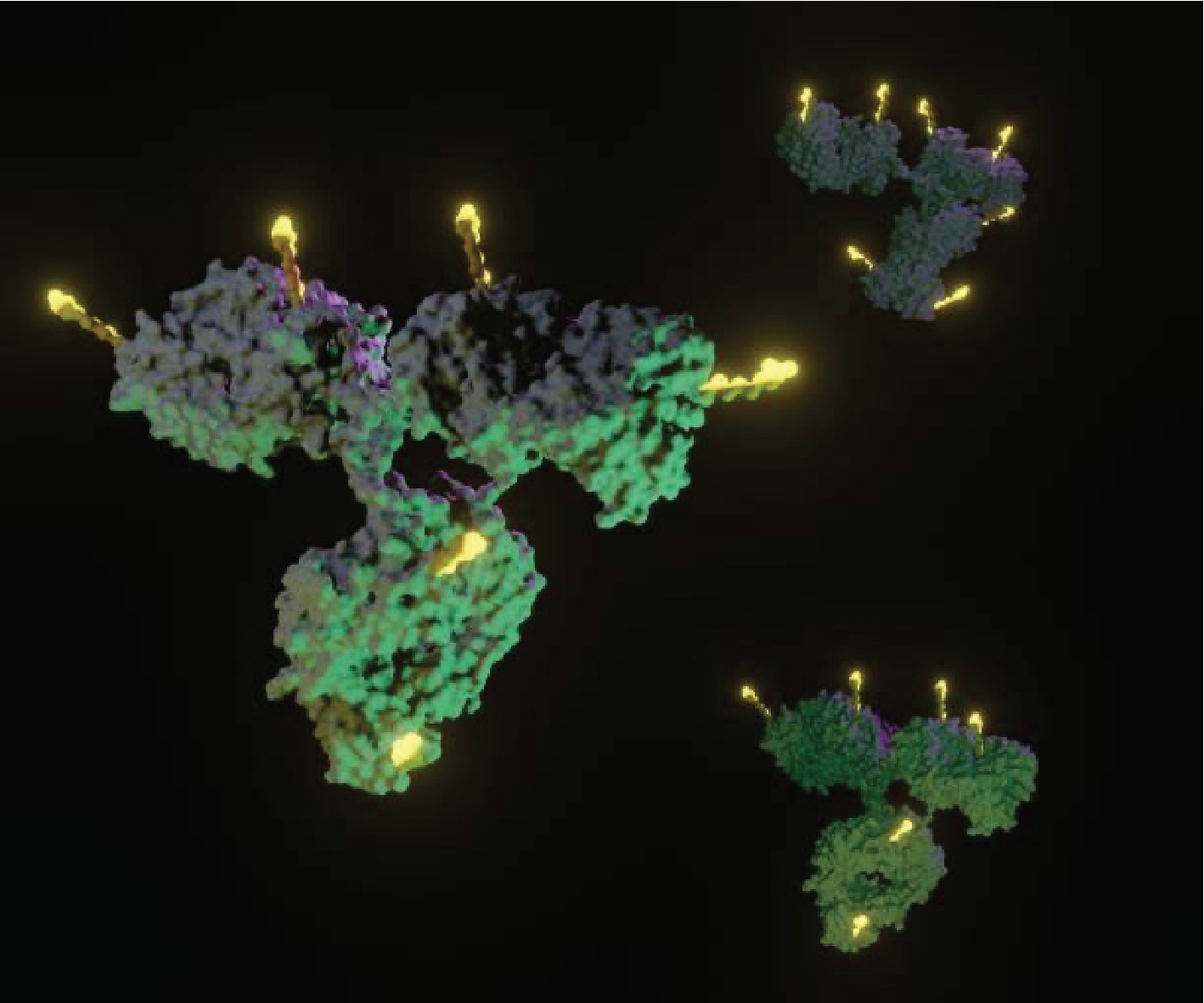
Antengene dosed the first patient in China in CLINCH-3, a pivotal Phase 3 study of ATG-022, a CLDN18.2-directed ADC, in CLDN18.2-positive advanced gastric or gastroesophageal junction adenocarcinoma. The randomized, controlled, open-label, multicenter trial compares ATG-022 monotherapy with investigator’s choice of treatment and is planned for expansion into a multi-regional study. In the Phase 1/2 CLINCH studies, patients with moderate to high CLDN18.2 expression treated at the 1.8 mg/kg recommended Phase 2 dose showed an ORR of 46.7% and disease control rate of 86.7%; median OS was not reached at 14.03 months’ median follow-up.
A pivotal Phase 3 study of ATG-022 began in CLDN18.2-positive gastric cancer; Clinical trials and research. Credit: wuxixdc.com
A fatty-acid-conjugated plasmin inhibitor entered Phase 1 for heavy menstrual bleeding [42]
Hemab Therapeutics dosed the first healthy volunteer in a Phase 1 trial of HMB-003, a subcutaneously administered fatty-acid-conjugated peptide developed for heavy menstrual bleeding. The conjugate inhibits plasmin at its active site, blocking fibrinolysis independently of the plasminogen activation pathway; fatty-acid conjugation confers the extended half-life underpinning proposed once-per-cycle dosing. In minipigs, a single subcutaneous dose produced peak plasma levels within hours and sustained antifibrinolytic activity for approximately one week. The randomized, placebo-controlled, single-ascending-dose study will assess safety, tolerability, pharmacokinetics, and pharmacodynamics in healthy adults. Hemab expects results no later than mid-2027.
Avacta reported Phase 1 proof-of-mechanism data for its exatecan peptide-drug conjugate [43]
Avacta Therapeutics reported preliminary Phase 1 data for AVA6103, a peptide-drug conjugate from its pre|CISION platform in which a FAP-cleavable peptide linker releases exatecan, a Topo-1 inhibitor, within tumor tissue. In the FOCUS-01 trial, 19 patients with advanced colorectal, pancreatic, gastric/gastroesophageal junction, cervical, or SCLC completed the first three dose levels across Q2W and Q3W arms. Hematological toxicity was low, with no neutropenia or thrombocytopenia in 1/19 patients. Plasma pharmacokinetics showed rapid clearance of the conjugate, with released peptide detectable for up to 48 hours, which Avacta attributes to tumor retention. Efficacy data are expected in H1 2027.
TOOLS AND TECHNOLOGIES |
Fujifilm will add linker-payload manufacturing capacity at its Fukushima plant [44]
Fujifilm will install linker-payload manufacturing equipment at the Hirono Plant in Fukushima Prefecture, operated by a FUJIFILM Wako Pure Chemical subsidiary, with operations scheduled for 2028. The site currently manufactures linkers under contract and will extend to linker-payloads, drawing on existing containment capabilities for highly potent compounds. New laboratory facilities will support process development and analytical method development for structurally complex linker-payloads. Combined with the FUJIFILM Toyama Chemical facility, which is due to begin operations in 2027 and will handle antibody manufacturing, conjugation, and drug product fill-finish. Fujifilm intends to offer integrated ADC contract services.
Turbine and Daiichi Sankyo expanded a computational modelling collaboration for ADC discovery [45]
Turbine expanded its collaboration with Daiichi Sankyo after completing a feasibility program that assessed its computational modelling platform for ADC development. Daiichi Sankyo will apply Turbine’s vLab platform to run simulated experiments across its proprietary ADC discovery programs, supporting payload, combination, indication, and biomarker selection. The arrangement operates on a lab-in-the-loop basis, with simulation outputs directing experimental work and resulting data refining subsequent models. Turbine states that deployed programs have reduced decision timelines from 12–18 months to approximately 2 months and cut wet-lab experiments by over half.
Altruist Biologics secured EMA GMP certification for its Suzhou facility [46]
Altruist Biologics, a CDMO and wholly owned subsidiary of Innovent Biologics, received EMA GMP certification for its Suzhou commercial manufacturing facility following an inspection with no critical findings. It is the site’s first EMA certification and supported a European marketing authorization application for an undisclosed client’s biologics product. The Suzhou facility holds 60,000 liters of antibody manufacturing capacity alongside an ADC clinical manufacturing line, providing services for antibodies, fusion proteins, and ADCs. The site has also passed NMPA and COFEPRIS inspections and completed an FDA remote interactive evaluation.
CONFERENCES, EVENTS, AND PUBLICATIONS |
First-in-human data for a nectin-4/TROP2 bispecific ADC were accepted for ESMO Asia [47]
VelaVigo and Avenzo Therapeutics will present preliminary Phase 1 safety, tolerability, and efficacy data for VBC103 at the ESMO Asia Congress in Singapore in December. The bispecific ADC targets nectin-4 and TROP2 simultaneously, carrying a Topo-1 inhibitor payload, and is designed to address tumor heterogeneity where the two antigens are co-expressed. VelaVigo develops the conjugate in Greater China; Avenzo Therapeutics holds rights elsewhere, where it is designated AVZO-103 and is in the Phase 1/2 BEACON-1 study. The US FDA granted fast track designation in urothelial cancer previously treated with enfortumab vedotin.
Kelun-Biotech will present Phase 3 data for its TROP2 ADC across several tumor types at ESMO [48]
Kelun-Biotech will present data for sacituzumab tirumotecan, a TROP2-directed ADC, across six presentations at the ESMO Congress in Madrid. The conjugate uses a bifunctional linker joining the antibody irreversibly while releasing a belotecan-derived Topo-1 inhibitor payload through pH-sensitive cleavage in the lysosome, at a DAR of 7.4. Presentations include final OS analyses from the Phase 3 OptiTROP-Lung04 and OptiTROP-Breast01 studies, first-line lung data from OptiTROP-Lung06, and the Phase 3 TroFuse-005 endometrial cancer study in the Presidential Symposium. Phase 1 data for SKB500, a B7-H3-directed ADC, will also be presented.
Kelun-Biotech will present Phase 3 data for its TROP2 ADC across several tumor types at ESMO; Conferences, events, and publications. Credit: Kelun-Biotech
Whitehawk presented real-world analyses supporting MUC16 as an ADC target [49]
Whitehawk Therapeutics presented two real-world analyses of MUC16 in ovarian cancer at the IGCS Annual Global Meeting. In the first, MUC16 expression remained largely stable across platinum and non-platinum chemotherapy, bevacizumab-containing regimens, PARP inhibitors, and mirvetuximab soravtansine, with less treatment-associated variation than FRα, TROP2, or NaPi2b. In the second, high MUC16 expression in high-grade serous ovarian carcinoma was associated with poorer real-world OS, an association that persisted after covariate adjustment. The analyses were conducted with Tempus AI and support HWK-016, a MUC16-directed ADC in Phase 1 targeting the non-shed extracellular domain.
First global data for a DLL3-directed ADC in first-line SCLC [50]
Zai Lab will present first global data for zocilurtatug pelitecan, a DLL3-directed ADC formerly designated ZL-1310, at the ESMO Congress in Madrid. The Phase 1b/1c cohort of study ZL-1310-001 evaluates the conjugate combined with atezolizumab, with or without carboplatin, as first-line treatment for extensive-stage SCLC, where DLL3 is overexpressed. No data are disclosed at present; results are scheduled for presentation on 26 October.
Phase 1 data on a Topo-1 payload ADC will be presented at ENA 2026 [51]
Biohaven will present Phase 1 data on BHV-1530, an FGFR3-directed ADC carrying its proprietary TopoIx payload, at the EORTC-NCI-AACR Symposium in Barcelona in November. The BHV1530-101 study is a first-in-human, open-label, multicenter dose-escalation and expansion trial in advanced solid tumors, including urothelial, HNSCC, and NSCLC. Biohaven reports confirmed partial responses in heavily pretreated patients and no dose-limiting toxicities. A clinical supply agreement with Regeneron supports a combination cohort with cemiplimab, now enrolling, extending an existing arrangement covering Biohaven’s TROP2-directed ADC BHV-1510.

References
1. Alentis Therapeutics. Alentis and PinotBio announce collaboration to develop next-generation ADCs targeting claudin-1. Oct 14, 2026.
2. Lonza. Lonza Expands Dual-Payload ADC Technology Offering Through Exclusive Access to Qurient’s CDK7 Inhibitors. Oct 12, 2026.
3. Daiichi Sankyo. Daiichi Sankyo and AstraZeneca Enter into Clinical Trial Collaboration with Summit Therapeutics to Evaluate Datroway® in Combination with Ivonescimab Across Multiple Tumor Types. Oct 2, 2026.
4. Sanyou Biopharmaceuticals. Strategic Collaboration Sanyou Bio and NovoCodex Partner to Co-Develop Innovative Dual-Payload ADCs. Sep 24, 2026.
5. Envisagenics. Envisagenics and Boehringer Ingelheim Enter Multi-Target Collaboration to Develop First-in-Class Precision Therapies Based on RNA Splicing-Derived Targets for Hard-to-Treat Cancers. Sep 22, 2026.
6. WuXi XDC. WuXi XDC Out-Licenses WuXiTecan-2 Payload-Linker Technology Platform to Ona Therapeutics to Advance Novel ADC Research and Development. Sep 17, 2026.
7. Daiichi Sankyo. Datroway® Approved in China as First and Only TROP2 Directed Antibody Drug Conjugate with Overall Survival Benefit for Treatment of Patients with Metastatic Triple Negative Breast Cancer Who Are Not Candidates for PD1/PD-L1 Inhibitor Therapy. Oct 8, 2026.
8. Daiichi Sankyo. Enhertu® Approved in China as Adjuvant Treatment for Patients with Residual Disease After Neoadjuvant Treatment for HER2 Positive Early Breast Cancer. Oct 8, 2026.
9. AbbVie. AbbVie’s Telisotuzumab Adizutecan (Temab-A) Receives Two Breakthrough Therapy Designations From the U.S. FDA for CRC and NSCLC. Oct 7, 2026.
10. Crescent Biopharma. Crescent Biopharma Announces FDA Clearance of IND Application for CR-002, a PD-L1-targeted Topoisomerase Inhibitor ADC, for the Treatment of Solid Tumors. Oct 5, 2026.
11. Wave Life Sciences. Wave Life Sciences Announces FDA Feedback Supports Registrational Pathway for WVE-006 (RNA Editing) in AATD. Oct 1, 2026.
12. Immunome. Immunome Announces IND Clearance for IM-1340, a Potential First-in-Class Antibody-Drug Conjugate for the Treatment of Solid Tumors. Sep 30, 2026.
13. Daiichi Sankyo. Ifinatamab Deruxtecan Biologics License Application for Certain Patients with Previously Treated Extensive-Stage Small Cell Lung Cancer Voluntarily Withdrawn. Sep 25, 2026.
14. Alume Bioscience. Alume Biosciences Announces U.S. FDA Breakthrough Therapy Designation Granted for Bevonescein, a First-in-Class adjunct in the real-time intraoperative visualization of nerves during head and neck surgical procedures in adults. Sep 25, 2026.
15. SOTIO Biotech. SOTIO Advances SOT106 with Dual FDA Designations, Further Positioning the Program as a Potential Best-in-Class ADC for Sarcoma. Sep 23, 2026.
16. SystImmune. SystImmune Receives FDA Clearance of IND Application for Bispecific Antibody SI-B037. Sep 22, 2026.
17. Daiichi Sankyo. Enhertu® Recommended for Approval in the EU by CHMP as Adjuvant Treatment for Patients with Residual Disease After Neoadjuvant Treatment for HER2 Positive Early Breast Cancer. Sep 18, 2026.
18. Astellas Pharma. PADCEV™ (enfortumab vedotin) in Combination with Keytruda® (pembrolizumab) Receives Positive CHMP Opinion for the Treatment of Adults with Resectable Muscle-Invasive Bladder Cancer. Sep 18, 2026.
19. NICE. NICE recommends Enhertu for people with HER2-low advanced breast cancer. Sep 17, 2026.
20. Daiichi Sankyo. Enhertu® and Datroway® Approved in Japan for Two New First-Line Indications for Patients with Metastatic Breast Cancer. Sep 16, 2026.
21. Zealand Pharma. Zealand Pharma announces opening of new Research Hub in Cambridge, Massachusetts. Oct 1, 2026.
22. Nurix Therapeutics. Nurix Therapeutics Announces Achievement of $7 Million Milestone Under Strategic Collaboration with Pfizer. 29 Sep, 2026.
23. BioSpace. GSK and the pan-Canadian Pharmaceutical Alliance (pCPA) initiate negotiations for Blenrep for the treatment of relapsed or refractory multiple myeloma. Sep 22, 2026.
24. Ryvu Therapeutics. Ryvu presents in-vivo proof-of-concept data for RVU602, a novel, first-in-class non-TOPO1/non-tubulin payload for next-generation ADCs. Oct 15, 2026.
25. Debiopharm. Debiopharm’s pre-clinical proof-of-concept research unveils the potential of novel MultiLINK linker technology to overcome tumor resistance. Oct 14, 2026.
26. VERAXA Biotech. VERAXA Biotech Presents in vivo Proof-of-Concept Data for BiTAC®-ADC Technology at World ADC Congress. Oct 13, 2026.
27. Aro Biotherapeutics. Aro Biotherapeutics Reports Therapeutic Potential of Centyrin – IFIH1 siRNA Conjugate for the Treatment of Type 1 Diabetes. Oct 12, 2026.
28. Coave Therapeutics. Coave Therapeutics Presents Non-Human Primate Data Supporting Lead Wet AMD Gene Therapy Program at Euretina 2026. Oct 5, 2026.
29. TuHURA Biosciences. TuHURA Biosciences Receives Key US Patent for its Groundbreaking Delta Opioid Receptor (DOR) Antibody Drug Conjugate (ADC) Technology. Oct 5, 2026.
30. Akari Therapeutics. Akari Therapeutics Expands Intellectual Property Portfolio with PCT Filing for ADC Payload Related to RNA Splicing in Cancers. Oct 1, 2026.
31. Qurient. Qurient Announces Publication in Science Advances Demonstrating Synergistic Effect of Selective CDK7 Inhibitor Q901 with TOP1 Inhibitor-Based ADCs. Oct 1, 2026.
32. Avacta Therapeutics. The FOCUS-01 Clinical Trial Design and Preclinical Data Further Demonstrate the Potential of AVA6103 at AACR Conference on Pancreatic Cancer. Sep 25, 2026.
33. Orum Therapeutics. Orum Therapeutics Doses First Patient in Phase 1 Trial of ORM-1153, a CD123-GSPT1 Degrader-Antibody Conjugate. Oct 14, 2026.
34. ArriVent BioPharma. ArriVent Announces First Patient Dosed with Novel Tetravalent MUC16/NaPi2b Dual Target ADC, ARR-002. Oct 12, 2026.
35. CSPC Pharmaceutical Group. Data From Phase I Clinical Study pf SYS6002 as Monotherapy for the Treatment of Advanced Cervical Cancer Presented as a Rapid Oral Presentation at The 2026 Annual Global Meeting of the International Gynecologic Cancer Society (IGCS 2026). Oct 8, 2026.
36. OnCusp Therapeutics. OnCusp Therapeutics Announces Positive Phase 1b Data Evaluating its CDH6-Directed Antibody-Drug Conjugate, CUSP06, in Platinum-Resistant Ovarian Cancer (PROC) Presented at Plenary Oral Session of the IGCS 2026 Annual Global Meeting. Oct 5, 2026.
37. Genmab. Genmab Announces Rinatabart Sesutecan (Rina-S®) Phase 2 RAINFOL™-01 Results Demonstrated Durable and Clinically Meaningful Responses in Patients with Platinum-Resistant Ovarian Cancer. Oct 3, 2026.
38. Corbus Pharmaceuticals. Corbus Pharmaceuticals Announces First Patient Dosed in TEMPO-1 Registrational Study of CRB-701 in Patients with 2L+ Oropharyngeal Cancer. Sep 29, 2026.
39. HUTCHMED. HUTCHMED Initiates Global Trial of KRAS-EGFR-Antibody Conjugate Therapy HMPL-A830 in Patients with Solid Tumors. Sep 28, 2026.
40. XYone Therapeutics. XYone Therapeutics Announces First Patient Dosed in First-in-Human Clinical Trial of XYA02 (AT2021), a Novel Antibody Drug Conjugate Targeting MUC1-C. Sep 25, 2026.
41. Antengene. Antengene Announces First Patient Dosed in Pivotal Phase III CLINCH-3 Study of ATG-022. Sep 21, 2026.
42. Hemab Therapeutics. Hemab Therapeutics Announces First Participant Dosed in Phase 1 Clinical Trial of HMB-003, an Investigational Therapy for the Management of Heavy Menstrual Bleeding. Sep 17, 2026.
43. Avacta Therapeutics. Avacta Achieves Clinical Proof of Mechanism for the Next Generation of pre|CISION® Medicines with AVA6103 (FAP-Exd) in the Phase 1 FOCUS-01 Trial. Sep 16, 2026.
44. Fujifilm. Fujifilm Installs Manufacturing Equipment for Antibody-Drug Conjugate (ADC) Components at Hirono Plant. Oct 6, 2026.
45. Turbine AI. Turbine and Daiichi Sankyo Expand ADC Discovery Collaboration. Sep 24, 2026.
46. Altruist Biologics. Altruist Biologics’ Suzhou Site Receives EMA GMP Certification, Enabling Product Commercialization for the European Market. Sep 22, 2026.
47. Avenzo Therapeutics. Avenzo Therapeutics Announces Oral Presentation of Phase 1 Data for VBC103 (AVZO-103), a Potentially Differentiated Nectin-4/TROP2 Bispecific Antibody-Drug Conjugate, by Partner VelaVigo at ESMO Asia Congress 2026. Oct 13, 2026.
48. Kelun-Biotech. Kelun-Biotech to Present Multiple Study Results at ESMO 2026. Oct 13, 2026.
49. Whitehawk Therapeutics. Whitehawk Therapeutics Presents Real-World Analyses Supporting MUC16 as a Durable ADC Target in Ovarian Cancer at IGCS 2026. Oct 1, 2026.
50. Zai Labs. Zai Lab to Present First Global Data from Clinical Trial Evaluating Zocilurtatug Pelitecan (Zoci) As First-Line Treatment for Extensive-Stage Small Cell Lung Cancer (ES-SCLC). Sep 29, 2026.
51. Biohaven. Biohaven’s Clinical Data on BHV-1530, a Novel FGFR3-Directed ADC With a Proprietary Topoisomerase I (TopoIx) Payload, Selected for Oral Presentation at the EORTC-NCI-AACR Symposium 2026. Sep 28, 2026.