
ASGCT 2026: Editor’s takeaways from the annual meeting
Cell & Gene Therapy Insights 2026; 12(5)
10.18609/cgti.2026.055
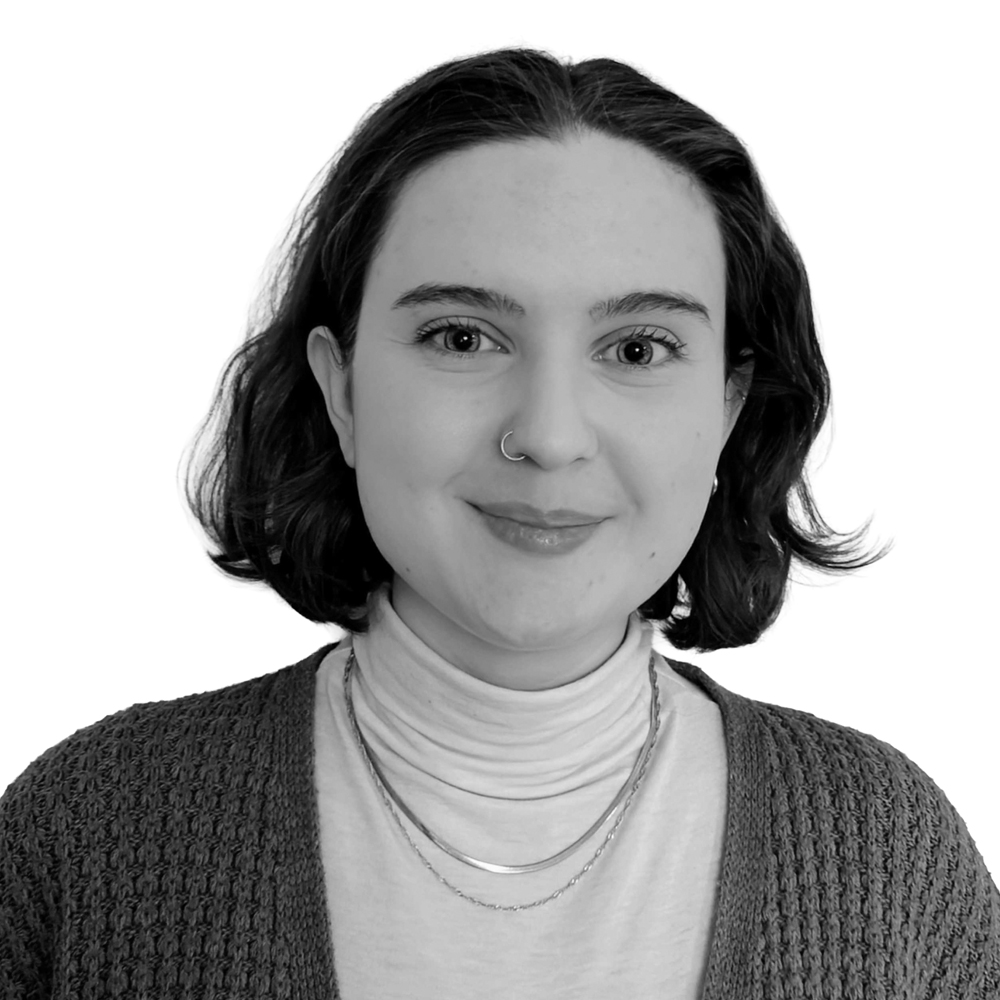
Abi Pinchbeck, Commissioning Editor, Cell & Gene Therapy Insights, shares her key takeaways from the 2026 ASGCT Annual Meeting in Boston.
We sat down with Abi Pinchbeck, Commissioning Editor of Cell & Gene Therapy Insights, fresh from the 2026 ASGCT Annual Meeting in Boston, to hear her key takeaways, what’s coming next, and whether the puppy booth lived up to the hype.
ASGCT 2026 in one word?
AP: Momentum.
What was the moment or session that stuck with you most?
AP: Terry Pirovolakis’s talk on the journey to FDA approval for his son Michael, who has SPG50, an ultra-rare neurodegenerative disease, was the one that stayed with me. Terry co-founded CureSPG50 after Michael’s diagnosis in 2019, fundraised, drove the science, and helped get three children treated within three years. He’s since built Elpida Therapeutics around a nonprofit model that reinvests profits to keep rare disease programs alive.
The field moves fast, and it’s easy to get absorbed in platform optimization and regulatory strategy, all of which matters, but it is striking to hear directly from a parent who refused to accept that the timeline couldn’t be shortened. These stories stand out because they remind you of the level of energy that parents of ill kids in particular can bring to get treatments over the line.
Movement around in vivo therapies felt like a big theme this year – what was the most exciting thing you heard on that front?
AP: It was less a single moment and more a cumulative sense across the meeting that in vivo approaches are moving from theoretical promise into genuine clinical and preclinical momentum. If I had to pick one, Sana Biotechnology’s NHP data for SG293 was the standout for me, a CD8-targeted fusosome delivering CD19-directed CAR-T cells in vivo, achieving complete peripheral B cell depletion from a single IV dose without lymphodepletion, and with no evidence of off-target delivery on post-necropsy analysis. It’s a program worth watching closely with first-in-human data potentially expected later this year.
In vivo CAR-T in particular feels like it has reached an inflection point, which is something we’ll be exploring in through our upcoming CAR-T Special Interest Group. Readers can register now to be the first to receive the outputs.
Any emerging topics or conversations that felt like they were just starting to bubble up?
AP: Not brand new ground, but base and prime editing came up repeatedly, and the field of gene editing as a whole is very much alive with activity. Kiran Musunuru’s remarks were a good illustration of where that conversation is heading. On receiving the ASGCT Catalyst Award, recognizing the team behind the Baby KJ base editing case, he was candid about its limitations: an N-of-1 intervention, not a clinical trial, with outcomes still too early to interpret with confidence. The call for rigorous clinical trials and caution around overstating what single cases can tell us felt important, and this is the kind of conversation we need to keep having as the technology matures.
What did you get up to on behalf of Cell & Gene Therapy Insights at the event – any great conversations or connections you can share?
AP: I had the privilege of speaking to some incredible folks, including David Barrett, CEO of ASGCT; Dr Paula Cannon, renowned professor working on gene editing and HIV, Dr Terry Flotte, an AAV pioneer; and Chris Hopkins, CEO of one-to-watch biotech Glafabra Therapeutics. Watch this space for interviews to be published soon!
Did being at ASGCT give you any fresh perspective on what the CGT community actually wants from us as a journal?
AP: It reinforced something I think we already suspected: the community is less interested in broad overviews and more interested in content that engages honestly with where things are still hard. Manufacturing scalability, regulatory uncertainty for novel modalities, the gap between clinical promise and commercial reality–these are the conversations people are actually having. The appetite is for analysis that respects their level of expertise and doesn’t shy away from the unresolved questions. We try to get this right in Cell & Gene Therapy Insights, and it was useful to have it confirmed in person.
Hot on the heels of ASGCT, we’ve got some exciting conference partnerships coming up – anything you’re already looking forward to?
AP: Cell & Gene Therapy World Asia is high on my radar. Taking place in Singapore at the end of June, it’s a timely one for us given that growing our APAC readership is a real priority. The program spans CAR-T platforms, gene editing, scalable manufacturing, and in vivo approaches. I’m most interested in how the region’s distinct regulatory and supply chain landscape shapes those conversations. The APAC ecosystem is developing in its own way and on its own timeline, which is worth paying attention to.
Rumor has it there was a puppy booth. Thoughts?
AP: The rumors are true. I had the privilege of serving as a pillow for Selby the black lab pup, who fell asleep on me. A clear ASGCT highlight!