Mar
4
2026
On demand
Defining effective antitumor T cell responses to guide next-generation adoptive cell therapies for solid tumors
Wednesday 09:00 PST / 12:00 EST / 17:00 GMT / 18:00 CET
Sponsor

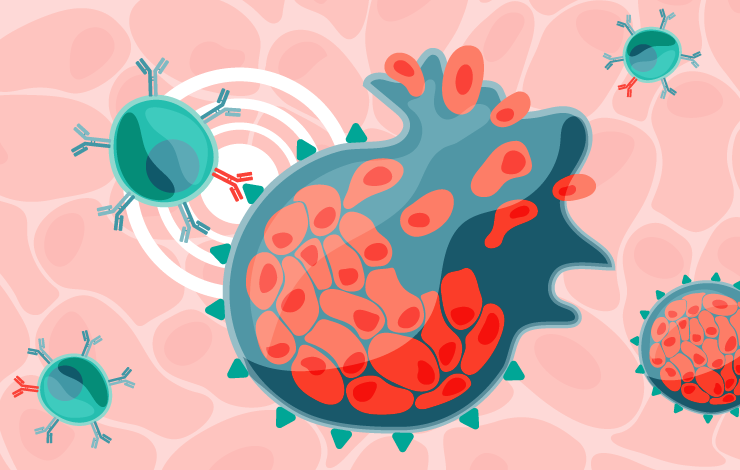
Drawing on longitudinal patient data, Cristina Puig-Saus (Assistant Professor, UCLA) will explore the landscape of neoepitope-specific T cells and how their clonal evolution correlates with clinical response or resistance to immune checkpoint blockade.
She will then connect these biological insights to practical strategies for fine-tuning CAR-T design.
This webinar will:
- Provide a framework for understanding the evolution of neoantigen-specific T-cell responses in patients with melanoma, with or without response to immune checkpoint blockade
- Explain how persistence and recurrence of TCR clonotypes impact resistance to checkpoint inhibitors
- Describe advanced methods for isolating neoantigen-specific T cells and fine-tuning CAR-T cell design
- Provide a blueprint for the design of CAR-T cell therapies and the path to clinical translation
- Describe real-life experience of moving a novel CAR-T therapy from preclinical modeling into a Phase I clinical trial protocol
Register today to gain data-driven insights into T cell biology and engineering strategies that help inform the design of new adoptive cell therapies for solid tumors.

You have registered for this webinar
SPEAKERS
You might also like
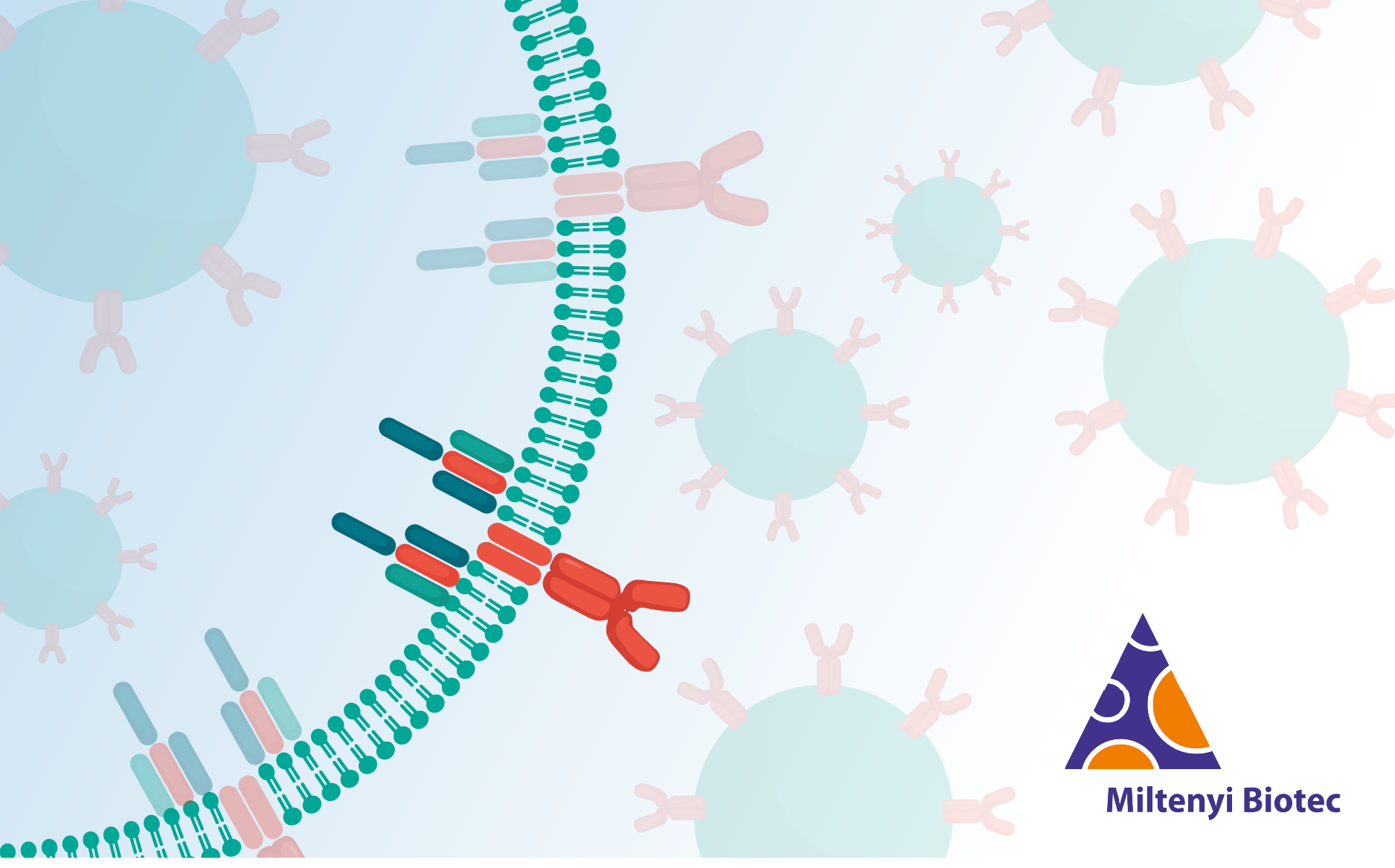
Beyond CAR-T: Synthetic Immune Receptor T (SIR-T™) cells for solid tumors
Preet Chaudhary, MD, PhD
9 April
Watch
Clinical-scale manufacturing of transposon-based CAR-T cells using next-generation electroporation
Shigeki Yagyu, PhD, Stefanie Muthel, PhD
31 March
Watch
Engineering armored CAR-T cells to overcome the solid tumor microenvironment
Saul Priceman, PhD
26 March
Watch

Designing the next generation of vaccine adjuvants
D O’Hagan, E Lavelle, J T. Evans et al.
14 April
Watch